







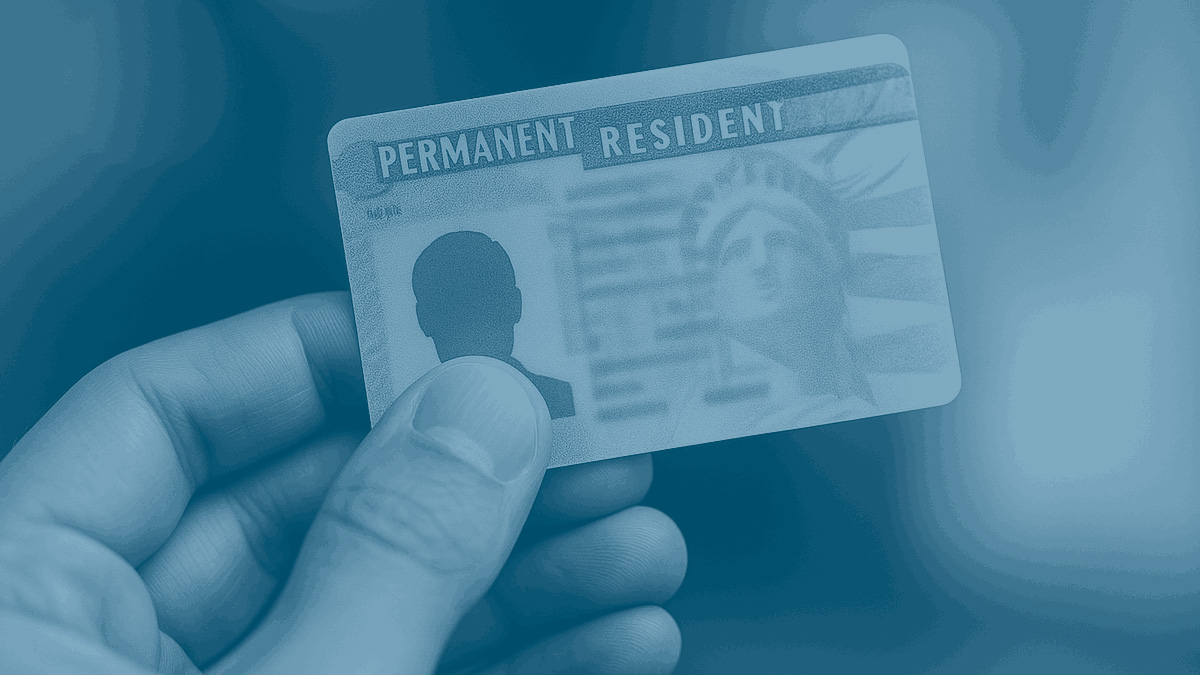
What happens once I get my Green Card? What do I do next?
Emotions After Receiving a Green Card
A Mix of Feelings
Gaining a Green Card can be a long, arduous path. When many clients of BDV Solutions obtain their Green Cards, they feel a wave of emotions—relief, happiness, joy—but then other emotions arrive—anxiety and fear. For many, the critical question becomes, “What’s next?”
Rights and Limitations of Green Card Holders
Similar Rights to Citizens, but Not the Same
Lawful permanent residents have many of the same rights as citizens, but the two are not the same. Important limitations of resident status include:
- You cannot vote, or register to vote, in federal elections. Voting in federal elections is a serious crime and will permanently prevent you from becoming a citizen.
- You may be allowed to vote in local elections depending on the law in your city, but be extremely careful to check.
Maintaining Your Green Card Status
Risk of Losing Residency
More critically, you can lose your resident status. When you travel, you will need to bring your passport and your Green Card (I-551 Alien Registration Card) with you.
Travel Restrictions
However, you should not travel outside of the United States for longer than six months. If you plan on staying out that long, you should apply for what is known as a re-entry permit. That permit may be valid for up to two years. If you travel without securing this permit, you may lose your residency and not be allowed back into the U.S.
Preparing for U.S. Citizenship
Waiting Periods
If you plan to apply for U.S. citizenship, you can take some simple steps to make the process much easier when it’s time.
- Most legal permanent residents (LPRs) need to wait five years before applying for U.S. citizenship.
- For those who obtained their Green Card through marriage, the waiting period is generally three years.
Filing the N-400 Application
The N-400 may be filed in the 90-day window just before the end of the waiting period.
Physical Presence Requirements
At the time you file your N-400 application, you are required to fulfill a physical presence requirement:
- For most folks who obtained their Green Card through marriage, they are required to have been in the U.S. for 18 of the previous 36 months.
- For other applicants, it is 30 of the past 60 months.
Residence vs. Physical Presence
Although this is confusing, for purposes of a naturalization application, “residence” is different than “physical presence.”
- To be eligible for naturalization, you must not have interrupted your status as a resident of the U.S.
- The rule is that a departure of less than six months does not break residence.
- A departure of more than six months but less than one year generally does break residence.
Risks to Green Card Holders
Deportation Risks
Most importantly, LPRs can be deported if they commit felonies or drug crimes.
Leave a Reply